
HEBRARIUM

Slang became evidence
when someone kept the paper.
4/20 is one of them.
But beneath the tired holiday version there is still a good trace: five teenagers, a failed treasure hunt, a school statue, a photocopied flyer, a dictionary entry and a safe-deposit box full of proof.
The story begins in San Rafael, California, in 1971.
A group of high-school friends known as the Waldos agreed to meet at 4:20 p.m. by the Louis Pasteur statue on the campus of San Rafael High School. The original phrase was not simply “420”. It was “420 Louis” — time plus place. From there, they would head out in search of an abandoned cannabis patch said to be hidden near Point Reyes.
The mission failed.
The code survived.
That is the best part of the story.
420 did not begin as a grand political slogan, a police code, a chemical formula or a sacred number. It began as practical teenage language: meet here, at this time, for this purpose, without saying the obvious out loud.
A private code became public culture.
The Pasteur detail is too good to ignore.
Louis Pasteur is remembered for microbiology, pasteurisation and the scientific study of fermentation. It is a quiet historical joke that the most famous cannabis code in the world began under the gaze of the man who helped explain the biology behind wine and beer. That does not make 420 scientific. It simply gives the origin story a strange little wink.
The real engine of the story was the lost crop.
According to the Waldos’ account, a Coast Guardsman near Point Reyes had been growing cannabis, feared getting caught, and passed a map through family connections to the teenagers. The Waldos set out to find the patch, turning the search into repeated after-school expeditions. They never found it.
So the world’s best-known cannabis number may have begun as an unsuccessful search.
Not a discovery. A failure.
That is almost perfect.
Then the code escaped.
The Grateful Dead connection helped carry it beyond San Rafael. The phrase travelled through Deadhead circles and eventually reached cannabis print culture. In December 1990, High Times editor Steve Bloom was handed a flyer at a Grateful Dead show in Oakland. The flyer urged people to meet at 4:20 on 4/20 for “420-ing” at Bolinas Ridge on Mt. Tamalpais. Bloom later published the flyer and helped move 420 from local code toward national cannabis culture.
The flyer also helped spread a false story: that 420 was police code for “marijuana smoking in progress”. It was not. But false etymologies travel fast when they sound official.
This is where the Waldos’ archive matters.
Because 420 is not only slang. It is a case study in how language proves itself. The Waldos preserved letters, school references and other artefacts from the 1970s. Their documents have been kept in a bank vault / safe-deposit box, and were reviewed in connection with later recognition of the term. The small absurdity is beautiful: according to one report, the San Francisco bank holding the material is at 420 Montgomery Street (more).
In 2017, the Oxford English Dictionary added 420, tracing its etymology to a code word apparently coined by high-school students in San Rafael in 1971.
That is the mature version of the story.
For LIBERA HERBA, 420 belongs in the Herbarium only if treated this way: as language, archive and cultural migration.
The date is overused.
The origin is still useful.
Because it reminds us that cannabis culture does not only live in laws, fields and labs.
Sometimes it begins with a failed search, a school statue and a phrase that refused to stay local.
TBefore 420 was a date,
it was a meeting instruction.
The original phrase was practical: 4:20 p.m. at Louis — the Louis Pasteur statue at San Rafael High School.
Time plus place became code.
The code later lost the “Louis” and kept the number.
The mission failed.
The code survived.
The Waldos were not simply killing time.
They were searching for an abandoned cannabis patch near Point Reyes, reportedly based on a map connected to a Coast Guardsman.
They never found it.
A cannabis code was born u
nder the gaze of fermentation science.
The Pasteur detail is not evidence of anything botanical.
It is just a perfect historical irony: cannabis slang forming under the statue of a scientist associated with microbiology and fermentation.
Print spread the code
— and the myth beside it.
A 1990 Grateful Dead parking-lot flyer helped turn 420 from local slang into a public cannabis date.
But it also carried a false police-code origin story.
Slang became evidence
when someone kept the paper.
The Waldos’ claim matters because they kept documents.
Letters, school references and artefacts gave the story an archive.
That archive helped separate their account
from later myths.
Factual Note
The strongest documented origin of 420 traces it to the Waldos, a group of San Rafael High School students in 1971. They used “420 Louis” to mean meeting at 4:20 p.m. by the Louis Pasteur statue before searching for an abandoned cannabis patch near Point Reyes. The term later spread through Grateful Dead circles and cannabis print culture, especially after a 1990 flyer reached High Times. The Oxford English Dictionary added 420 in 2017, citing the San Rafael student origin as its etymology. Competing claims exist, but the Waldos’ preserved documents remain the strongest public archive.
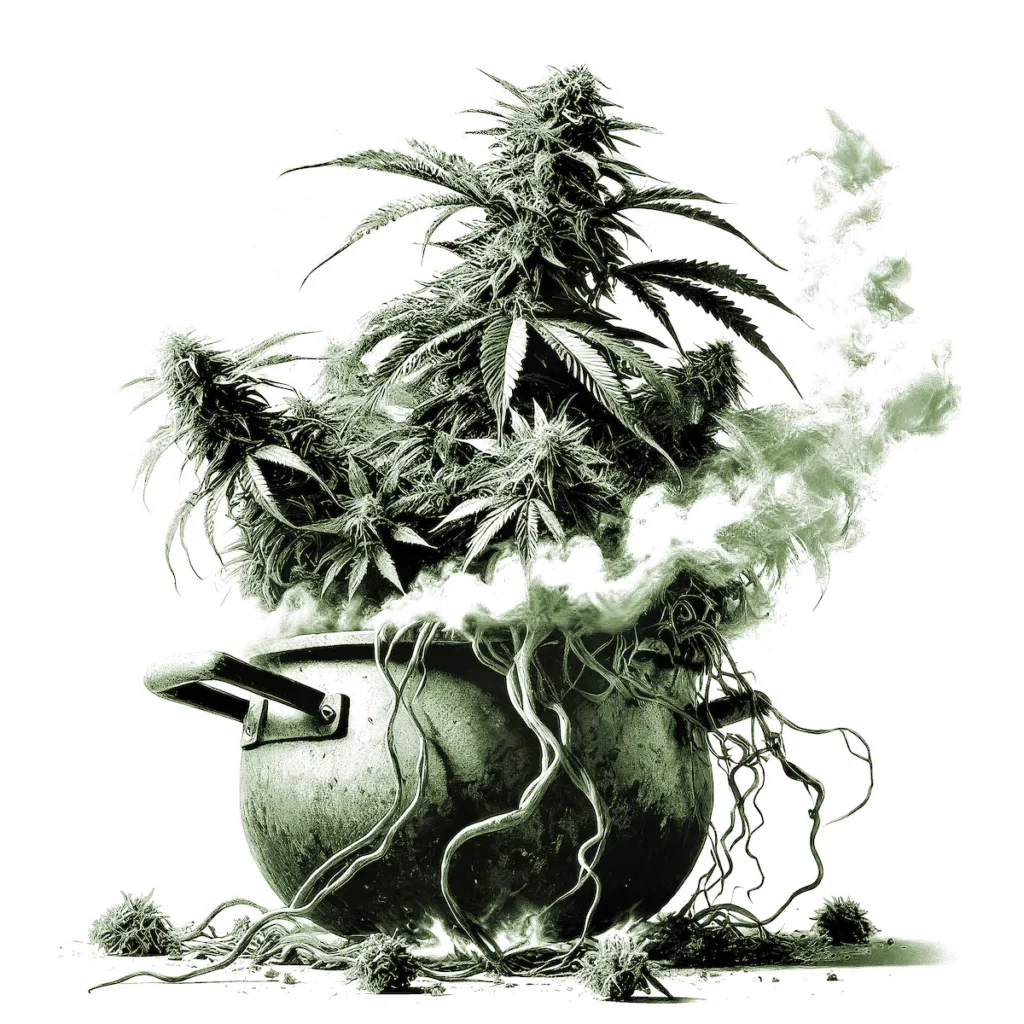
Join early.
Keep the archive open.
The VADEMECUM is becoming a living archive of guides, tools, notes and practical plant knowledge.
Free member access. Join early. Keep the archive open.
Join early.
Keep the
archive open.
The VADEMECUM is not just a book anymore. It is becoming a living archive of guides, tools, notes and practical plant knowledge.
Free member access. Join early. Keep the archive open.
The VADEMECUM is becoming a living archive of practical plant knowledge.
Free member access.