
HEBRARIUM

The same page that liberated knowledge
could also create noise.
Before cannabis became searchable, it had to be printed.
Not officially.
Not politely.
Not always legally.
But printed.
On cheap paper.
In underground newspapers.
In hand-drawn comix.
In grow manuals.
In photocopied pamphlets.
In headshop catalogues.
In magazines passed from hand to hand.
This is one of the most important cultural traces of cannabis: the page as shelter.
When institutions were silent, hostile or afraid, print carried what official culture refused to hold. It carried jokes, politics, cultivation tips, legal updates, cartoons, seed talk, protest language, medicinal claims, bad science, good science, myth, resistance and memory. It was messy, uneven and often irresponsible. But it was alive.
That matters.
Counterculture print did not simply decorate cannabis culture.
It organised it.
The 1960s and 1970s produced a broader print world of self-sufficiency, alternative education, ecology, communes, DIY knowledge and anti-authoritarian media. The Whole Earth Catalog, founded by Stewart Brand in 1968, was not a cannabis magazine, but its logic matters here: access to tools, access to knowledge, access to ways of living outside official permission.
Cannabis print belongs near that world.
Not because every counterculture page was about the plant.
Because the plant lived inside the same hunger: learn it yourself, build it yourself, grow it yourself, publish it yourself, share it before someone gives you permission.
Then came the explicit cannabis press.
High Times, founded in 1974, became one of the most recognisable cannabis culture magazines in the world. It mixed advocacy, satire, drug culture, cultivation, politics, photography, celebrity, risk and spectacle. It was not neutral. It was not always sober. It was not always educational in the way LIBERA HERBA uses the word.
But it was historically important.
It made cannabis visible as a culture with its own media.
That visibility had consequences.
This is the tension at the heart of counterculture print.
The archive must be read with love and suspicion.
Underground comix add another layer. Artists such as Robert Crumb, Gilbert Shelton, Trina Robbins and others worked in an illustrated counterculture language that rejected polite design, mainstream morality and clean commercial taste. Cannabis often appeared in that visual world not as botany, but as attitude: smoke, absurdity, bodies, satire, rebellion, appetite, vulgarity, anti-respectability.
For LIBERA HERBA, this is valuable.
Not because underground print was pure.
It was not.
It could be sexist, chaotic, self-indulgent, brilliant, ugly, funny, politically alive and historically embarrassing all at once.
That is exactly why it matters.
A culture does not become real only when it becomes respectable. Sometimes its earliest record is dirty, badly printed and badly behaved.
The cannabis page carried the plant through years when official language reduced it to danger. It let the plant speak in other registers: comic, technical, erotic, medicinal, ecological, rebellious, paranoid, practical and communal.
Some of that record now looks dated.
Some of it was wrong.
Some of it still burns.
This is where LIBERA HERBA can be different.
We do not need to worship the underground.
We need to understand what it preserved.
Counterculture print preserved the plant before the market cleaned it.
Before dispensary branding.
Before investor decks.
Before wellness vocabulary.
Before compliant packaging.
Before cannabis became something that could be polished for retail, it lived in pages that were handmade, loud, illegal-adjacent, overdrawn, overtyped, overclaimed and passed around.
The underground page was not always accurate.
But it was evidence.
Evidence that people were learning when institutions refused to teach.
Evidence that humour can survive prohibition.
Evidence that cultivation knowledge often begins as informal memory before it becomes formal education.
Evidence that cannabis culture was never only consumption — it was also publishing, drawing, arguing, copying, mailing, archiving and teaching.
That is why the page belongs in the Herbarium.
Not as nostalgia. As infrastructure.
The plant was grown in fields, hidden in rooms, sung in bars, policed in streets and printed on paper.
And sometimes, before the law changed, the page was the only place where the plant could breathe.
Before cannabis knowledge became searchable,
it had to be printed.
The wider counterculture print world taught people to distrust passive consumption.
The Whole Earth Catalog framed knowledge as practical access: tools, systems, ecology, shelter, craft, education and self-sufficiency. Cannabis print inherited that energy in rougher form: grow it, understand it, defend it, share it.
A plant burned at the border between body and spirit.
The same page that broke stigma
could also build cliché.
High Times gave cannabis culture a mass magazine identity from the 1970s onwards.
That mattered.
It created visibility, community and cultural confidence. It also helped build some of the clichés that later cannabis education would need to outgrow.
For LIBERA HERBA, the value is not imitation.
It is historical recognition.
Cultivation knowledge often begins as informal memory before it becomes formal education.
Early grow manuals turned hidden practice into printed instruction.
They were imperfect, but important. In a hostile legal environment, they helped informal cultivation knowledge become shareable. The grower’s notebook became a book.
The rumour became a method.
The method became a culture.
A culture does not become real
only when it becomes respectable.
Underground comix gave cannabis an unruly visual language.
Smoke, satire, vulgarity, rebellion, grotesque humour, anti-respectability and handmade drawing all entered the plant’s cultural record.
This material should not be cleaned too much.
Its roughness is part of the archive.
Before the market cleaned it,
the plant lived on dirty paper.
The cannabis page has travelled far. From illegal-adjacent magazines and comix to polished magazines, dispensary branding, legal packaging and lifestyle media.
That transformation is not simply progress.
It is a change in power.
The underground page asked for permission from nobody. The modern brand asks for compliance, investment and market share.
Factual Note
Counterculture print helped preserve and circulate cannabis-related knowledge, humour, politics and visual identity during decades of prohibition. The Whole Earth Catalog, founded in 1968, was not a cannabis publication, but its “access to tools” ethos shaped the wider counterculture print world around self-sufficiency, ecology and DIY knowledge. High Times, founded in 1974, became a major cannabis culture magazine. Underground comix artists such as Robert Crumb, Gilbert Shelton and Trina Robbins belonged to the wider counterculture print environment in which cannabis appeared as visual attitude, satire and social rebellion.
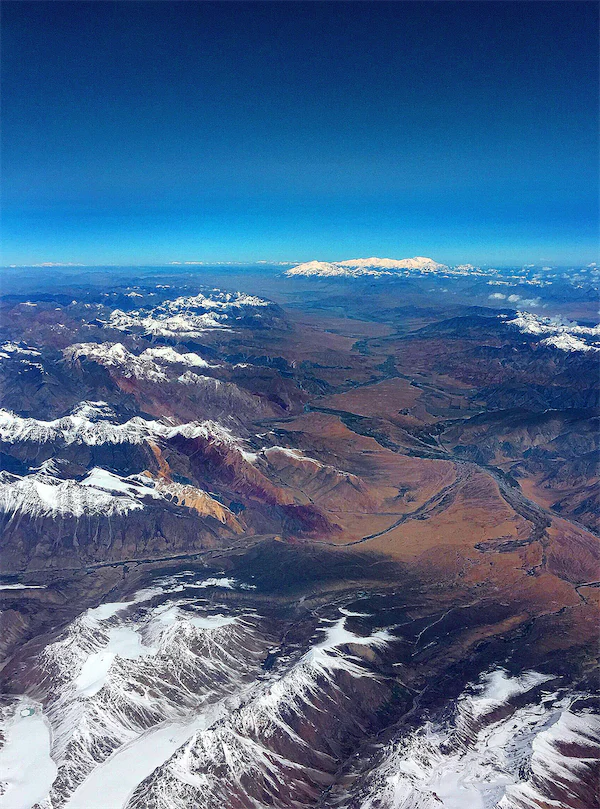 Counterculture & print
United States · 1960s–1980s
Magazines · comix · grow manuals · catalogues · zines · posters
A cultural trace of cannabis through underground print: the page as archive, tool, provocation, classroom, joke, manual, market and memory.
Join early.
Keep the archive open.
The VADEMECUM is becoming a living archive of guides, tools, notes and practical plant knowledge.
Free member access. Join early. Keep the archive open.
Join early.
Keep the
archive open.
The VADEMECUM is not just a book anymore. It is becoming a living archive of guides, tools, notes and practical plant knowledge.
Free member access. Join early. Keep the archive open.
The VADEMECUM is becoming a living archive of practical plant knowledge.
Free member access.