
HEBRARIUM

It knew the body’s relation
to grief, fear and pressure.
In Mesopotamia, cannabis may have entered written medicine under the name azallû. The trace is small, but beautiful.
Assyrian and Babylonian medical traditions preserved plant names, symptoms and remedies on clay tablets. Among them, azallû has been identified by some scholars as cannabis and was probably used medicinally, possibly in relation to depression or inner distress.
For LIBERA HERBA, this should not be turned into a modern psychiatric claim. The ancient world did not speak the language of “antidepressants” or “anxiolytics” as we do.
But it did know sorrow. It knew heaviness.
It knew the body’s relation to grief, fear and pressure.
That is why this trace matters.
Long before modern categories, people were already searching plants for something that could change the weight inside the chest.
Not a diagnosis. A clay memory of relief.
Factual Note
The NCBI review notes that cannabis, called azallû in Akkadian according to Scurlock and Andersen, was probably used as a medicine and apparently for depression.
This should be treated as an ancient medical reference, not as evidence of a modern antidepressant indication.
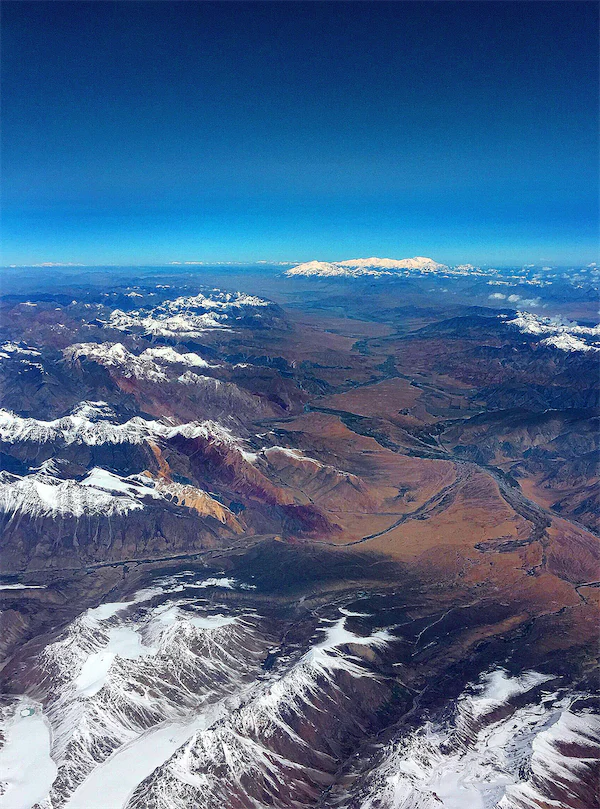 Azallû
Ancient Mesopotamia
Assyrian / Babylonian medical tradition
A plant name in Akkadian medical sources, identified by some scholars with cannabis. Its reported use belongs to the world of ancient materia medica, where emotional, physical and spiritual distress were not separated as sharply as in modern medicine.
Join early.
Keep the archive open.
The VADEMECUM is becoming a living archive of guides, tools, notes and practical plant knowledge.
Free member access. Join early. Keep the archive open.
Join early.
Keep the
archive open.
The VADEMECUM is not just a book anymore. It is becoming a living archive of guides, tools, notes and practical plant knowledge.
Free member access. Join early. Keep the archive open.
The VADEMECUM is becoming a living archive of practical plant knowledge.
Free member access.