
HEBRARIUM

Before writing, before paper, before the archive,
there was pressure.
A cord pressed into wet clay.
In prehistoric East Asia, some of the earliest pottery carried marks made by twisted fibre. In Japan, the very name Jōmon (縄文) means “cord-marked”, referring to pottery decorated by pressing or rolling cord into clay. In Taiwan, early Neolithic finds from Yuan-shan have been connected with hemp cord impressions.
For LIBERA HERBA, the trace is not that “cannabis invented pottery”.
That would be too much.
The trace is subtler and stronger:
fibre technology and ceramic memory appear side by side.
A useful plant becomes rope.
Rope becomes pattern.
Pattern becomes culture.
Clay preserves the gesture.
Before cannabis became symbol, medicine or scandal, its fibres may already have been part of the human hand’s first technologies: tying, carrying, fishing, binding, storing, marking.
Not a marginal plant. A material intelligence.
Note
Claims that all early Jōmon (縄文) cord marks were made with hemp should be treated cautiously. The stronger claim belongs to specific sites where hemp/cannabis fibre or cord evidence is reported, not to all Jōmon pottery.
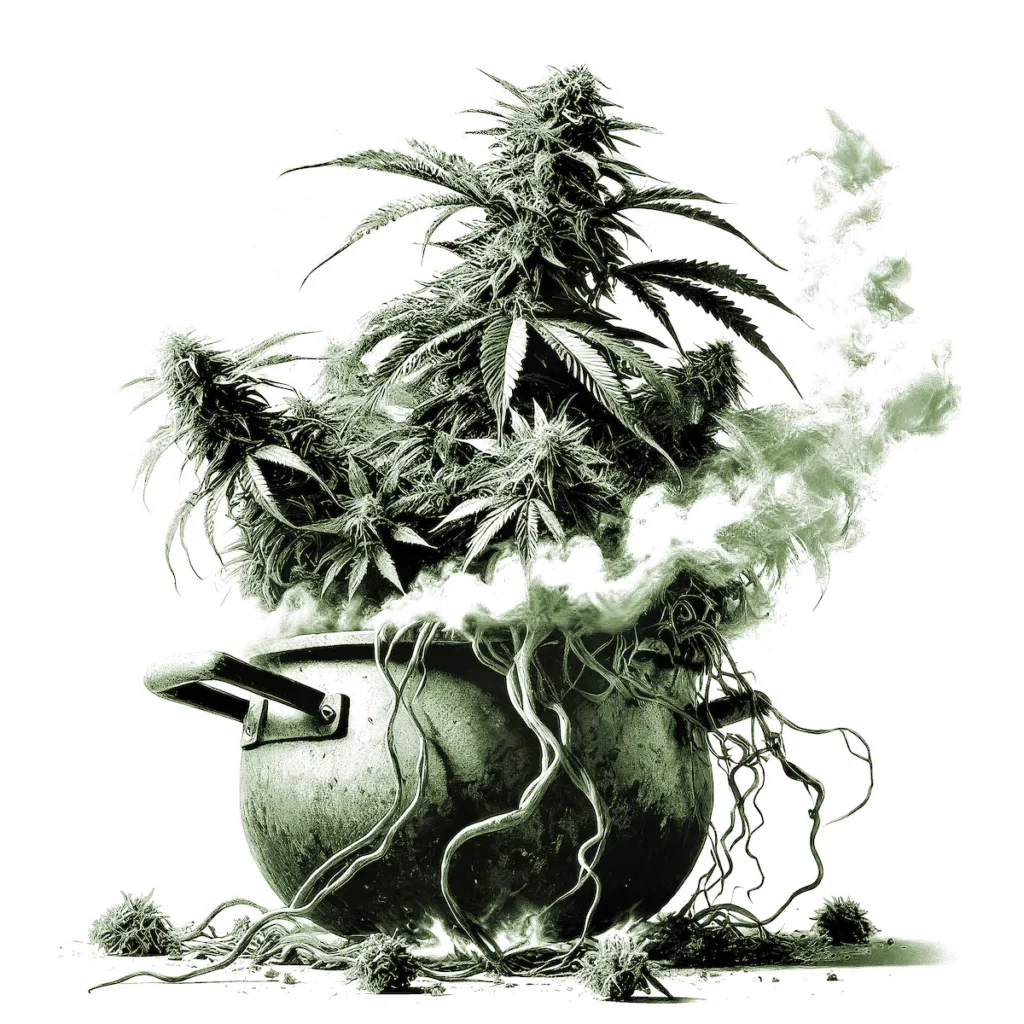
Join early.
Keep the archive open.
The VADEMECUM is becoming a living archive of guides, tools, notes and practical plant knowledge.
Free member access. Join early. Keep the archive open.
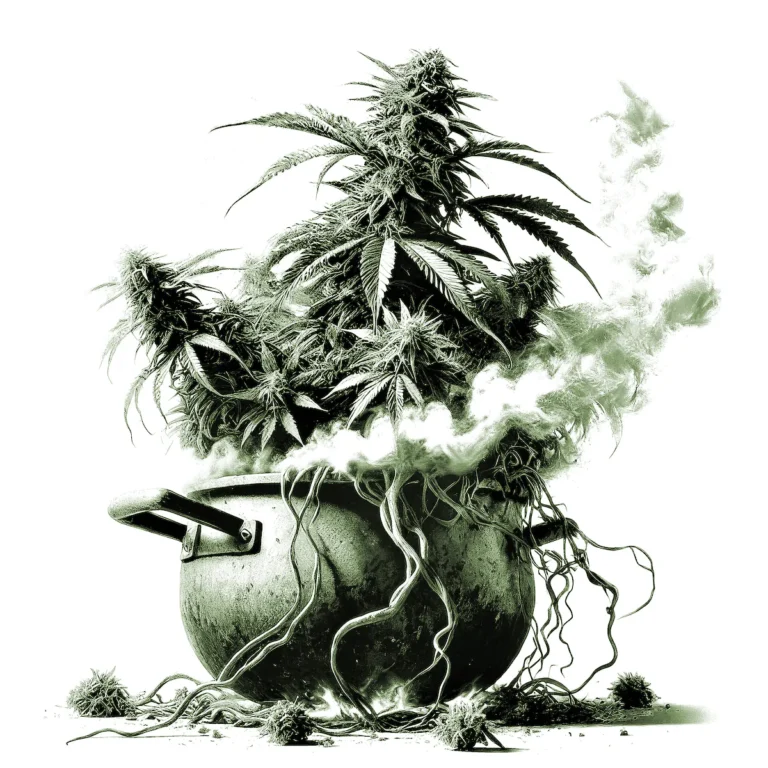
Join early.
Keep the
archive open.
The VADEMECUM is not just a book anymore. It is becoming a living archive of guides, tools, notes and practical plant knowledge.
Free member access. Join early. Keep the archive open.
The VADEMECUM is becoming a living archive of practical plant knowledge.
Free member access.