
HEBRARIUM
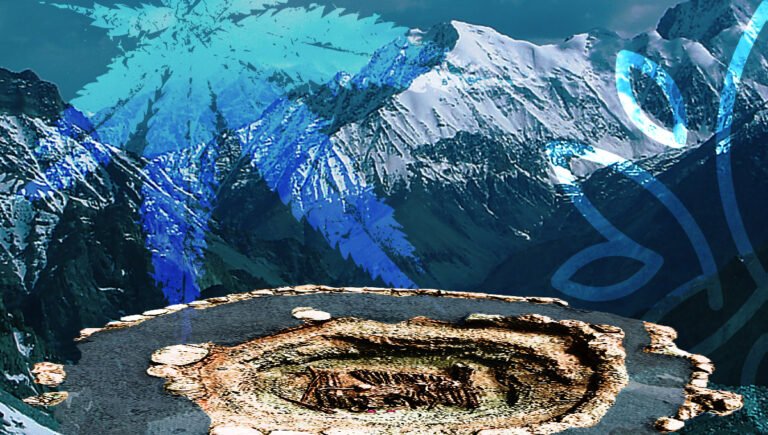
Before prohibition made cannabis illegal,
empires made hemp necessary.
There was a time when the crime was not growing cannabis.
Not smoking it.
Not selling it.
Not possessing it.
Not growing it.
In early modern Europe, hemp was not a countercultural plant. It was a strategic crop. Rope, sailcloth, rigging, nets, sacks and naval equipment depended on strong fibre. Without fibre, there were no ships. Without ships, no trade, no navy, no empire.
This is one of the strangest reversals in cannabis history.
The same plant that later became the object of prohibition was once treated as a matter of national security.
In Tudor England, landholders were required to cultivate hemp or flax in proportion to their arable land. The commonly repeated formula was a quarter acre for every sixty acres under tillage. The point was not lifestyle, medicine or intoxication. The point was rope and sail. The state needed fibre, and the field was expected to provide it.
Under Elizabeth I, the logic hardened. England was becoming a maritime power, and fibre was part of that ambition. Hemp and flax laws were remembered not as botanical curiosity, but as practical policy: grow what the kingdom needs, or pay the penalty. The irony is almost perfect. Centuries before cannabis prohibition, the state punished people for not having the plant in the ground.
By the Napoleonic period, hemp had become part of a larger geopolitical struggle. Britain’s navy depended heavily on imported naval stores, including Russian hemp. Napoleon’s Continental System tried to cut Britain off from European trade, and Russian hemp became one of the strategic materials inside that economic war. Hemp was not the only reason empires moved, fought or betrayed each other — but it was one of the ropes holding maritime power together.
For LIBERA HERBA, this trace matters because it breaks the modern illusion.
Cannabis was not always marginal.
It was not always contraband. It was not always hidden.
In its hemp form, it stood in the open field as infrastructure: grown by law, processed by labour, demanded by navies, moved by trade, and woven into the machinery of empire.
Before the plant became illegal, it was necessary.
Before it was called a threat, it helped build the ships.
Before prohibition, there was obligation.
Elizabethan England sharpened the same logic.
A maritime kingdom needed fibre.
Fibre meant hemp and flax.
Hemp and flax meant fields.
The state did not treat the plant as private preference. It treated it as public necessity. Land, law and navy were tied together through the fibre crop.
This is the historical inversion worth preserving:
there was a time when the authorities
were not searching for cannabis in order to destroy it.
They were searching for its absence.
The offence was not the plant.
The offence was failing to grow what the kingdom required.
There was a time when the crime was not growing it.
By the early 19th century, hemp was no longer only a crop.
It was a pressure point.
Britain’s navy depended on naval stores, including high-quality hemp from Russia. Napoleon’s Continental System attempted to weaken Britain by cutting it off from European trade. Russian hemp therefore became part of a wider struggle over ships, supply chains, blockade, empire and survival.
This should not be reduced to a cartoon claim that “Napoleon invaded Russia because of cannabis”.
History is rarely that simple.
But hemp belonged inside the material logic of the conflict. A navy needed rope. Rope needed fibre. Fibre needed fields, trade routes and political obedience.
For LIBERA HERBA, this is the lesson:
Sometimes the plant is not visible in the battle.
It is hidden in the rope.
Hemp was not the whole war.
But it was one of the ropes holding empire together.
Napoleon did not invade Russia only because of hemp.
But hemp was inside the conflict.
The Continental System depended on obedience: European states were supposed to stop trading with Britain. Russia could not easily afford that obedience. Britain needed Russian naval stores, and Russia needed foreign trade. American ships, neutral flags and false papers kept goods moving through the Baltic.
By 1812, this commercial disobedience had become part of the rupture between Napoleon and Tsar Alexander.
The plant was not the whole war.
But it was one of the materials that made the war make sense.
Sometimes the plant is not visible in the battle.
It is hidden in the rope.
Russia’s hemp was one of the great strategic materials of the 18th and early 19th centuries.
In a wooden naval world, fibre mattered like fuel. A navy needed rope, sailcloth and cordage in massive quantities. Britain and America depended heavily on Baltic and Russian imports because domestic hemp often could not match the quality needed for salt, spray and ocean wear.
That made Russian hemp geopolitical.
Not glamorous. Not visible. But essential.
When Napoleon tried to close Europe to British trade, he was not only attacking markets. He was attacking the material nervous system of British sea power.
In the age of sail, hemp was closer to oil than folklore.
Washington and Jefferson grew hemp.
But not in the silly internet version.
They were not cultivating modern drug cannabis. They were working with a fibre crop that mattered to agriculture, household production, rope, cloth, sacks, bedding and naval supply. Colonial Williamsburg is explicit: the intoxicating capacity of cannabis was incidental to colonial growers; the valuable trait was the durable fibre.
This is much better than myth.
Hemp does not need fake smoke around the founding fathers.
Its real history is already powerful enough.
LIBERA HERBA does not need the founding fathers to be stoners.
It is much more interesting that they were fibre farmers.
Washington and Jefferson grew hemp.
But not in the silly internet version.
Some historical accounts state that hemp was important enough in early America that farmers could pay taxes with it, and that cultivation was encouraged or compelled in certain contexts. This should be presented carefully, because local law varied and internet retellings often exaggerate the claim.
But the underlying point is solid: hemp was not a fringe crop.
It was useful enough to enter law, taxation, patriotic duty and state demand.
The modern reversal is almost comic.
Today, cannabis law often asks:
“Why do you have this plant?”
Earlier states sometimes asked:
“Why don’t you?”
There was a time when the offence was not growing it.
Factual Note
Hemp was a strategic fibre crop in the age of sail. It supplied rope, cordage, sailcloth, canvas, sacks, caulking and other materials needed by merchant shipping and navies. Russia was a major supplier of high-quality hemp in the 18th and early 19th centuries, and the disruption of Russian-British trade formed part of the wider economic conflict around Napoleon’s Continental System. In colonial America, hemp was widely grown as a fibre crop; figures such as Washington and Jefferson cultivated hemp for practical agricultural and material purposes, not as evidence of recreational cannabis use.
Factual Note
Tudor hemp laws are commonly described as requiring landholders to sow hemp or flax in proportion to arable land, often cited as one quarter acre per sixty acres.
Elizabethan enforcement is frequently described as strengthening this obligation through penalties. In the Napoleonic period, Russian hemp was an important naval material in the economic struggle between Britain, Russia and France.
Some popular accounts overstate the case; hemp should be treated as a strategic material within larger political and military systems, not as the sole cause of events.
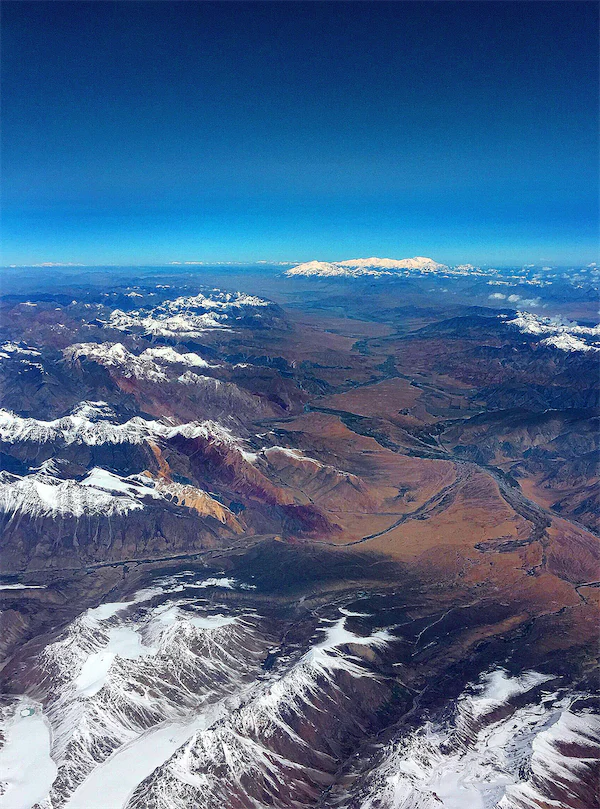 Hemp and Empire
18th–19th century
Europe, Russia, Britain, America
A geopolitical trace of cannabis as hemp: fibre, rope, sailcloth, navy, taxation, trade and economic warfare. This is the plant not as intoxication, but as strategic infrastructure.
Join early.
Keep the archive open.
The VADEMECUM is becoming a living archive of guides, tools, notes and practical plant knowledge.
Free member access. Join early. Keep the archive open.
Join early.
Keep the
archive open.
The VADEMECUM is not just a book anymore. It is becoming a living archive of guides, tools, notes and practical plant knowledge.
Free member access. Join early. Keep the archive open.
The VADEMECUM is becoming a living archive of practical plant knowledge.
Free member access.