
HEBRARIUM

The plant did not become rope by itself.
Someone had to break the stalk.
Before hemp became an argument, it was work.
In Kentucky, hemp was not an idea floating above the field. It was cut, shocked, retted, broken, cleaned, twisted and sold. The fibre that became rope, bagging and cloth passed first through hands, backs, tools and weather.
That labour matters.
Hemp breaking was heavy work. The brake came down again and again, crushing the stalk so the useful fibre could be separated from the woody core. It was practical, repetitive, physical labour — the kind of work that leaves rhythm in the body.
This is where LIBERA HERBA should be careful.
There is a strong historical world around work songs, field hollers and the blues. African American labour songs accompanied field work, coordinated movement, carried feeling and gave voice to people working under pressure. Hemp labour belongs near that world.
But we should not invent hemp songs where the archive is silent.
The trace here is not a named anthem.
The trace is the missing sound.
Kentucky hemp fields, ropewalks and breaking yards were part of a labour history that rarely left clean musical documents behind. The plant appears clearly in agriculture, trade and industry. The voices of those who worked it are harder to recover.
That absence is itself part of the record.
For LIBERA HERBA, hemp is not only law, medicine, fibre or geopolitics.
It is also labour.
The plant did not become rope by itself.
Someone had to break the stalk.
Someone had to carry the bundle.
Someone had to work the fibre until the field became material.
And somewhere, almost certainly, there was rhythm.
Factual Note
Kentucky was a major centre of hemp production in early American history. Hemp fibre was used especially for rope and for woven bagging used around cotton bales, and the processing of hemp required heavy manual labour: cutting, shocking, retting, breaking, cleaning and preparing fibre.
Hemp breaking was physically demanding work. Historians of Kentucky hemp describe attempts to mechanise breaking and cleaning, but hand labour remained central for much of the industry. The labour history of Kentucky hemp is also inseparable from slavery; reporting on historical scholarship notes that farms using enslaved labour produced the overwhelming majority of Kentucky hemp sold in 1860.
African American work songs and field hollers are well documented as part of labour history in the American South. They helped coordinate movement, pass time, carry feeling and communicate under pressure. However, this entry does not claim a specific surviving “hemp work song” unless stronger archival evidence is found. The point here is more careful: hemp labour belonged near a world of rhythmic field work, but the sound of that work is poorly preserved.
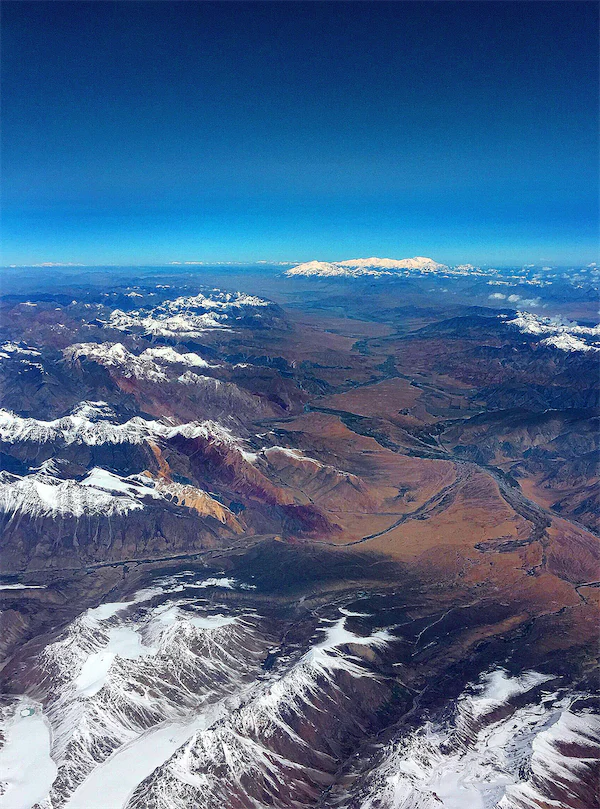 Kentucky
Hemp fibre production
18th–19th century
Kentucky hemp was not only an agricultural crop. It was labour, fibre technology and commerce: rope, bagging, cloth, breaking yards, ropewalks and plantation economies. The plant did not become material by itself. It passed through bodies, tools and weather.
The Hemp Breaker
Not a named hero. Not a portrait. A labouring figure mostly missing from the archive. The hemp breaker turned stalk into fibre through repeated physical work, often under systems of exploitation. The rope remembers the plant. History must also remember the hands.
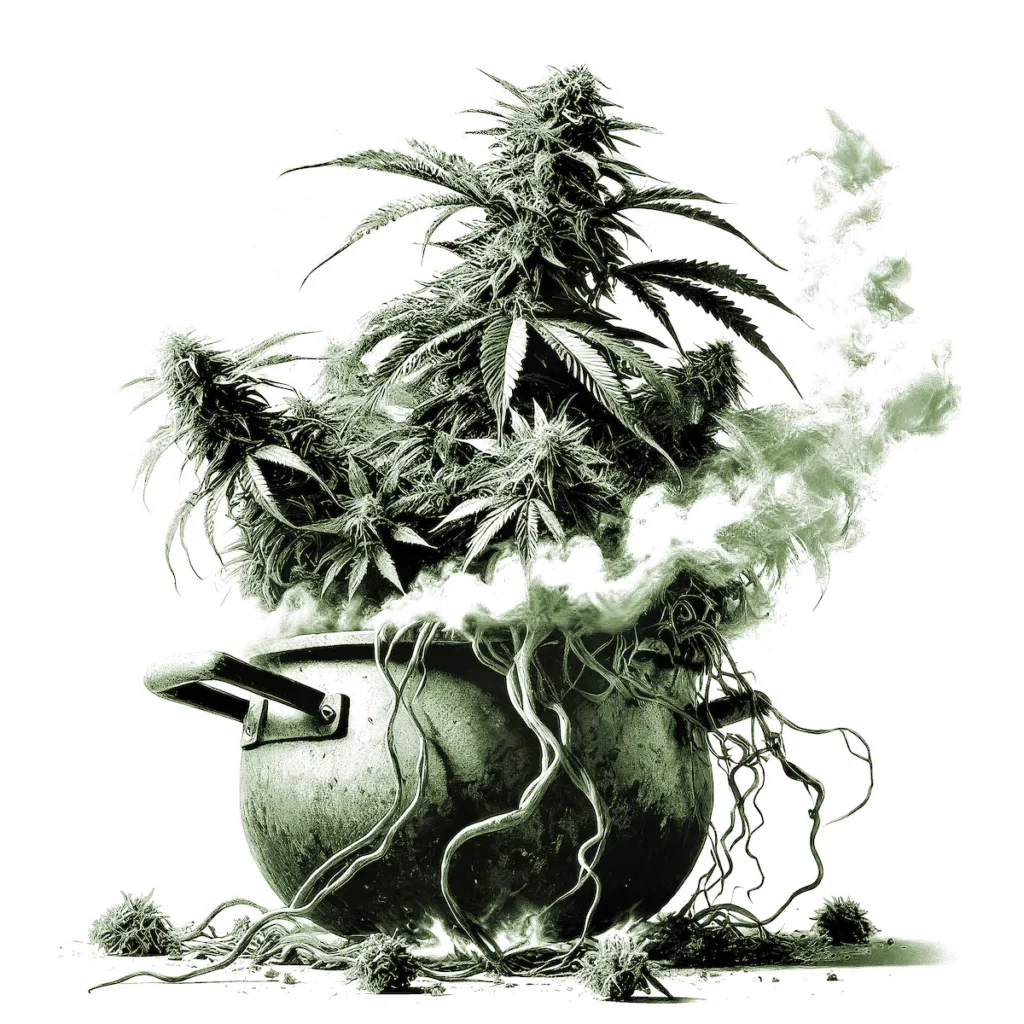
Join early.
Keep the archive open.
The VADEMECUM is becoming a living archive of guides, tools, notes and practical plant knowledge.
Free member access. Join early. Keep the archive open.
Join early.
Keep the
archive open.
The VADEMECUM is not just a book anymore. It is becoming a living archive of guides, tools, notes and practical plant knowledge.
Free member access. Join early. Keep the archive open.
The VADEMECUM is becoming a living archive of practical plant knowledge.
Free member access.