
HEBRARIUM

Power does not have one opinion about cannabis.
It has a use for it.
That is the lesson.
This is why cannabis history cannot be reduced to simple pro-plant or anti-plant narratives. The plant has lived under monarchies, empires, republics, dictatorships, communist states, colonial systems, theocracies, military economies, democratic reforms and black markets. In each case, the question was not only:
“What is this plant?”
It was: “Who controls it?”
That is the real political question.
Cannabis becomes dangerous or useful depending on the needs of power. A fibre crop can be patriotic during war. A smokeable drug can be treated as moral contamination. A medicine can become suspicious. A farmer can become a national resource. A user can become evidence.
The biology does not change.
The political frame does.
World War II gives one of the clearest examples. In the United States, the federal government had already placed cannabis under heavy administrative control through the Marihuana Tax Act of 1937. Yet in 1942, during wartime fibre shortages, the U.S. Department of Agriculture produced Hemp for Victory, a short propaganda film encouraging farmers to grow hemp for the war effort. The same plant that had been pulled into tax, registry and suspicion was suddenly useful enough to become patriotic instruction.
This is not hypocrisy as an accident.
It is policy as need.
When imported fibres were threatened, hemp returned as infrastructure. Rope, cordage, canvas and military supply mattered more than the stigma attached to the plant. For a moment, the state did not ask farmers to fear cannabis. It asked them to grow it.
Then, after the emergency, the old suspicion returned. That reversal is the point.
Power does not remember plants as people do.
It remembers utility.
China offers another version of the same division. Hemp has been produced there for thousands of years, especially for fibre and seed, and modern reports describe China as a major hemp producer. At the same time, marijuana production remains strictly banned.
The distinction is useful:
Same species complex. Different administrative fate.
This is not unusual. Many states separate the plant into acceptable and unacceptable identities. Fibre can be disciplined. Seed can be registered. Industrial use can be counted. Medical use can be licensed. Intoxication can be punished. What cannot be easily controlled becomes the problem.
This is why cannabis law so often becomes a language of categories.
These names are not neutral. They decide which part of the plant is allowed to enter public life and which part is pushed into risk.
Authoritarian and totalising systems make this logic more visible, but they do not own it. Liberal democracies do it too. Empires did it. Wartime governments did it. Colonial administrations did it. Modern regulatory states still do it.
The question is always control.
The Taliban case shows the harsher edge of crop power, even where the crop in question is opium rather than cannabis. Afghanistan’s drug economy has been repeatedly reshaped by bans, enforcement, insurgency, poverty and international pressure. After the Taliban’s 2022 ban, UN reporting found opium production remained dramatically reduced, with severe impacts on farmers and labourers who depended on that economy.
This belongs near cannabis history not because opium and cannabis are the same. They are not.
It belongs because it shows how regimes can control rural life through crops. A ban is never only about a substance. It is about land, income, coercion, legitimacy, international signalling, farmers, traffickers and survival.
Drug policy reaches the field
before it reaches the headline.
That is the lesson.
The same principle appears in wartime hemp campaigns, imperial fibre policy and modern licensing systems. The state may prohibit, command, tax, subsidise, inspect, certify, seize or promote the plant depending on its needs.
For LIBERA HERBA, the purpose is not to compare regimes cheaply.
We do not need to say “Hitler used hemp” or “Stalin used hemp” as shock trivia. That turns history into bait. The better point is sharper:
Power does not care about the plant’s soul.
It cares about obedience, supply, discipline, revenue, labour, war, trade and control.
That is why the same plant can move from banned substance to war crop without contradiction inside the state’s logic. The contradiction is ours. We expect law to reflect truth. Often, law reflects need.
This does not mean all regulation is bad.
A serious cannabis culture needs rules: safety, testing, labelling, cultivation standards, environmental limits, worker protection, medical honesty and consumer protection. But it also needs memory. It needs to remember how quickly regulation can become prohibition by another name, and how quickly prohibition can become permission when the state needs the plant.
The plant under power teaches one lesson above all: never read cannabis law as if it were only about cannabis.
Then the history becomes clearer.
Cannabis was not only prohibited because of what it was.
It was managed because of what it could become.
And every regime, democratic or not, has tried to decide which version of the plant it can tolerate.
The plant did not change.
Power changed the label.
The state did not ask farmers to fear the plant.
It asked them to grow it.
In 1942, the U.S. government encouraged farmers to grow hemp for the war effort through the USDA film Hemp for Victory.
This is one of the clearest reversals in cannabis history.
A plant placed under federal tax and suspicion in 1937 became patriotic material when wartime fibre supply demanded it.
Same plant family.
Different administrative fate.
Modern China shows a strict administrative split.
Hemp production has a long history and remains economically significant, while marijuana production is strictly banned.
This distinction is not botanical innocence. It is state classification: useful fibre and seed on one side, prohibited drug cannabis on the other.
A ban is never only about a substance.
It is about land.
The Taliban opium ban is not a cannabis story directly.
But it is a crop-control story. It shows how a regime can use prohibition to reshape land, income, rural life, trafficking routes, international image and farmer survival.
Drug policy is never only urban.
It reaches the field.
Emergency reveals
what ideology tries to hide.
War often changes the moral vocabulary of crops.
What is marginal in peacetime can become strategic in emergency. Fibre, food, fuel, medicine and labour are reclassified under pressure.
Hemp’s wartime return shows that
stigma can be suspended when supply chains break.
Power does not have one opinion about cannabis.
It has a use for it.
This article should not become a list of dictators and cannabis trivia.
The real subject is power.
Monarchies, democracies, empires, dictatorships and theocracies can all treat the plant according to need: ban it, tax it, grow it, weaponise it, license it or erase it.
Factual Note
Cannabis and hemp have been treated differently by states depending on utility, risk, war, trade and control. During World War II, the U.S. Department of Agriculture produced Hemp for Victory to encourage hemp cultivation for wartime fibre needs, despite earlier federal cannabis control through the Marihuana Tax Act.
In China, hemp has a long fibre and seed history and remains economically important, while marijuana production is strictly prohibited. Drug crop bans, such as the Taliban’s opium bans in Afghanistan, should not be confused with cannabis history, but they help show how regimes use crop control to shape rural economies, coercion and international signalling.
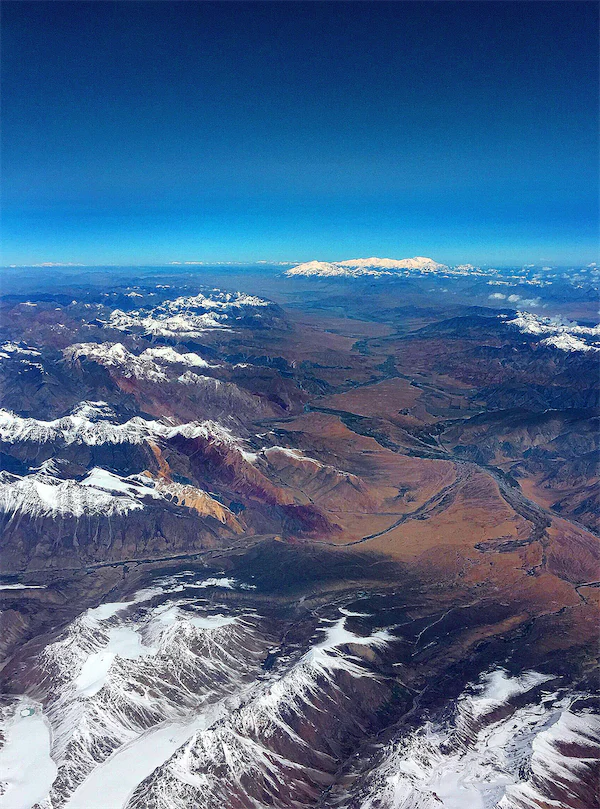 Power, regimes and prohibition
War · crop control · hemp fibre · prohibition · state power · licensing
A political trace of cannabis through state control: the same plant can be banned, taxed, licensed, promoted or demanded depending on the needs of power.
Join early.
Keep the archive open.
The VADEMECUM is becoming a living archive of guides, tools, notes and practical plant knowledge.
Free member access. Join early. Keep the archive open.
Join early.
Keep the
archive open.
The VADEMECUM is not just a book anymore. It is becoming a living archive of guides, tools, notes and practical plant knowledge.
Free member access. Join early. Keep the archive open.
The VADEMECUM is becoming a living archive of practical plant knowledge.
Free member access.