Azallû – the plant against sorrow
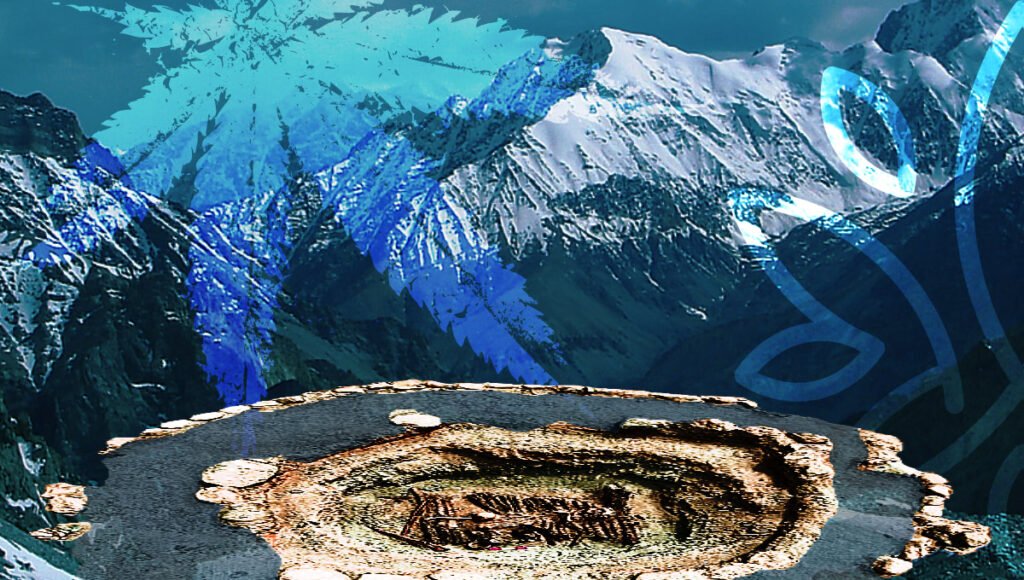
HEBRARIUM It knew the body’s relation to grief, fear and pressure. In Mesopotamia, cannabis may have entered written medicine under the name azallû. The trace is small, but beautiful. Assyrian and Babylonian medical traditions preserved plant names, symptoms and remedies on clay tablets. Among them, azallû has been identified by some scholars as cannabis and […]
Laoguanshan – cannabis beside ordinary pain
HEBRARIUM No altar. No myth. Just pain — and a plant. Not every ancient cannabis trace belongs to a shrine, a tomb ritual or a shamanic chamber. Some traces belong to ordinary suffering. At the Laoguanshan Cemetery of the Han Dynasty in Chengdu, South China, archaeobotanical analysis identified more than 120,000 cannabis fruits — the […]
Hua Tuo – the lost powder before anaesthesia
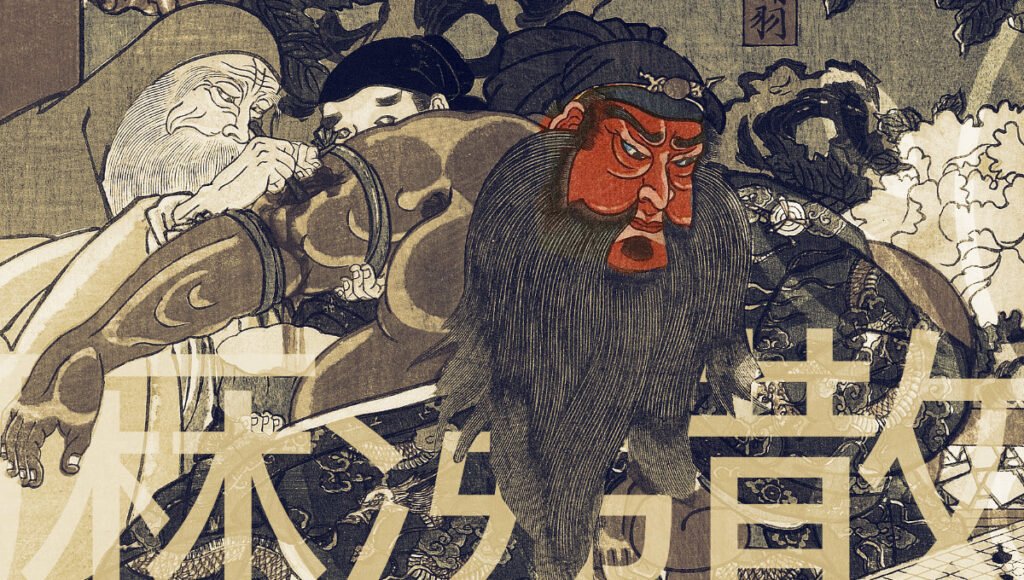
HEBRARIUM Not proof, hust a medical memory.A lost recipe at the edge of surgery. High in the Pamir Mountains, almost 3,000 metres above sea level, archaeologists found a trace that was not written in words. It was burned into wood and stone. At the 2,500-year-old Jirzankal cemetery in western China, wooden braziers contained charred stones […]
Shemshemet – the herb in the Pharaohs’ pharmacy
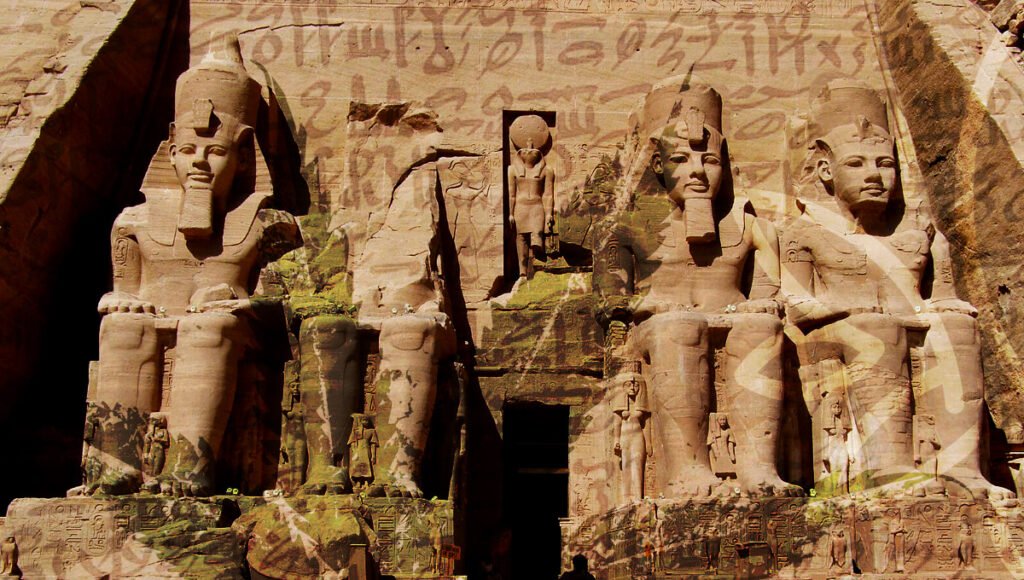
HEBRARIUM Before the crime, there was the preparation. In ancient Egypt, medicine stood between observation, ritual and plant knowledge. Among the plants named in Egyptian medical tradition was shemshemet, often identified with cannabis or hemp. It appears not as a modern scandal, but as part of a practical materia medica: ground, mixed, steeped, applied, […]
The plant beside childbirth
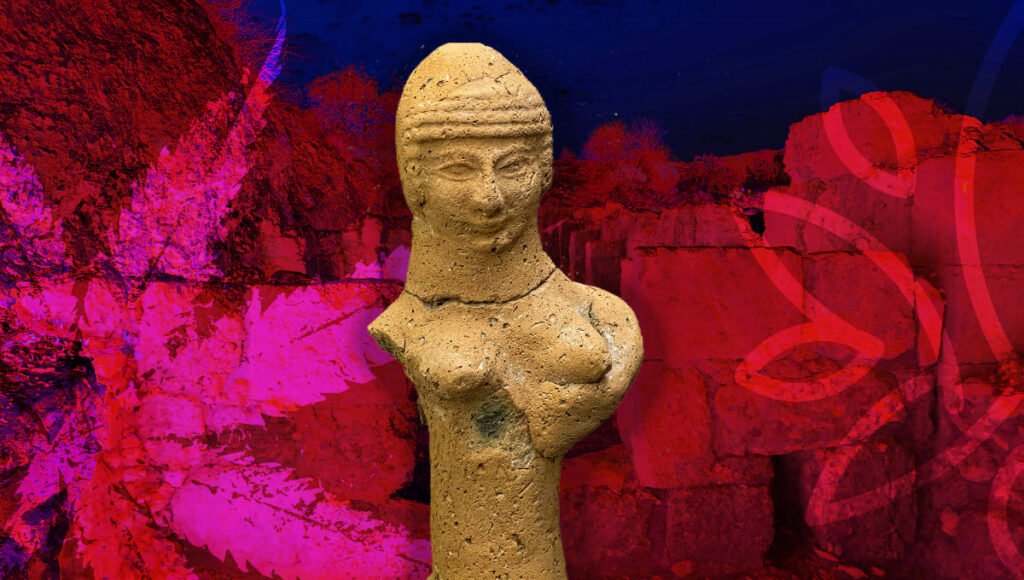
HEBRARIUM Not an ancient epidural. A plant beside pain. In a late Roman family burial tomb at Beit Shemesh, near Jerusalem, archaeologists found the remains of a girl of about fourteen who appears to have died during childbirth roughly 1,700 years ago. Near her abdomen, researchers recovered carbonised material later analysed as containing evidence […]
The lost crop key – cannabis in the Neolithic economy
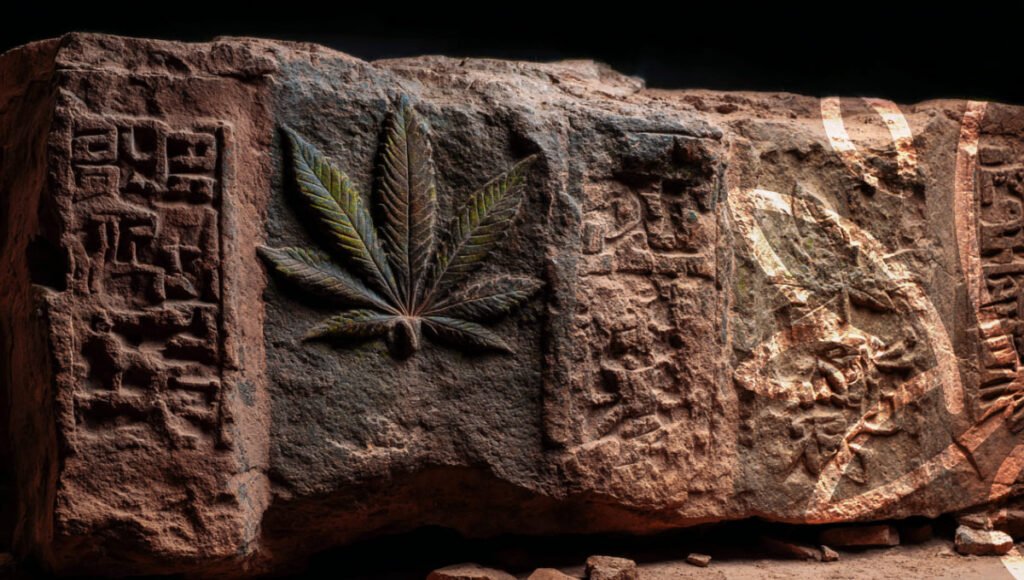
HEBRARIUM Some plants feed a household.Others help build an economy. In 2026, researchers from Shandong University reported new archaeological evidence that cannabis was deeply integrated into daily life in Late Neolithic northern China. Analysing phytoliths from 132 samples at the Beitaishang and Qianzhongzitou settlements, they found that cannabis was not a marginal or occasional […]
Cord marks – when fibre entered clay
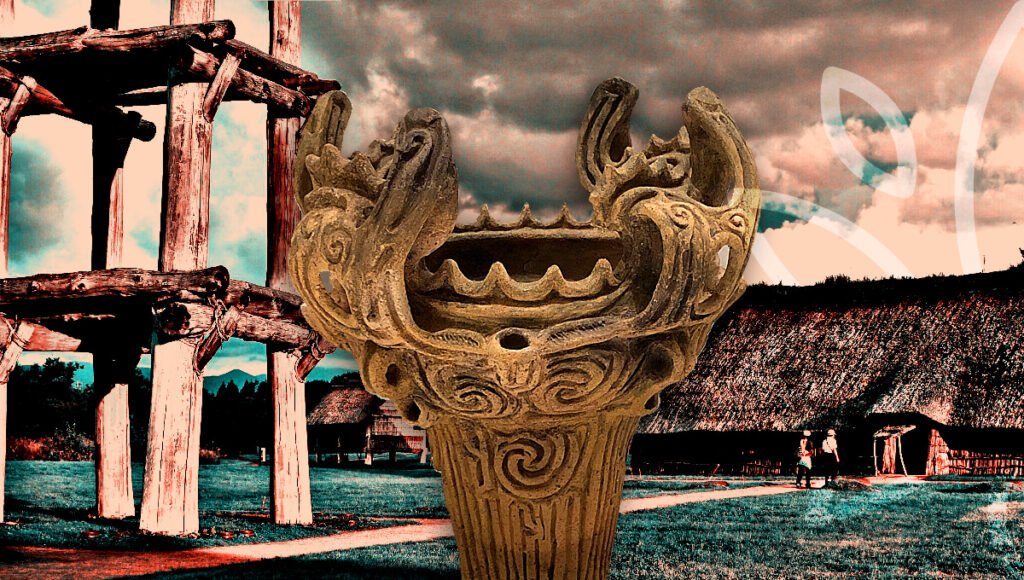
HEBRARIUM Before writing, before paper, before the archive, there was pressure. A cord pressed into wet clay. In prehistoric East Asia, some of the earliest pottery carried marks made by twisted fibre. In Japan, the very name Jōmon (縄文) means “cord-marked”, referring to pottery decorated by pressing or rolling cord into clay. In Taiwan, […]
Princess Ukok – the plant beside pain
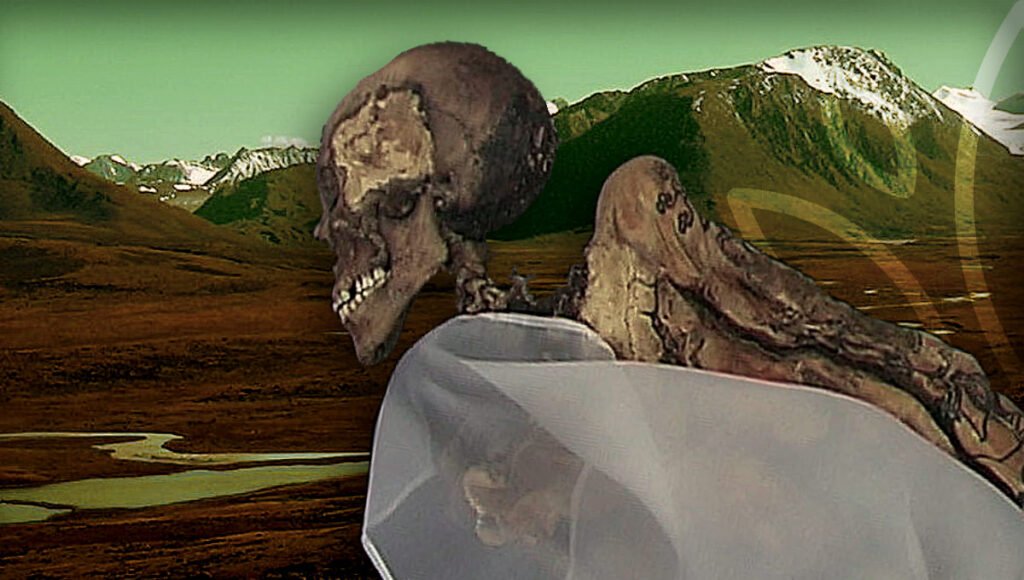
HEBRARIUM Not proof. A possibility preserved in ice. In the frozen kurgans of the Altai Mountains, the so-called Princess Ukok was found preserved in ice: a young Pazyryk woman, tattooed, richly dressed, and buried with objects that speak of status, care and distance travelled. Modern MRI scans added another layer to the story. They […]
Tel Arad – smoke before the holy of holies
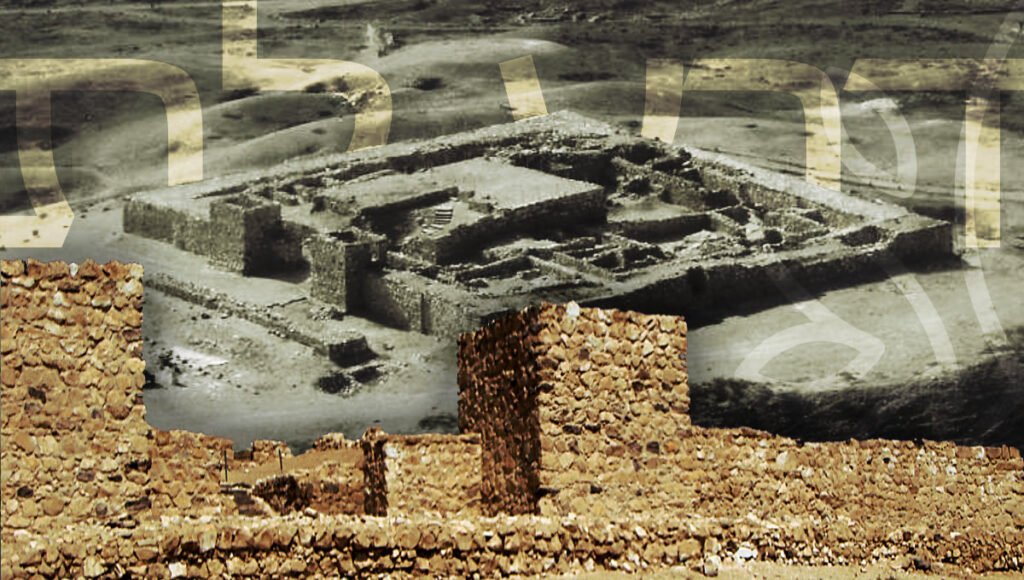
HEBRARIUM Not fibre. Not food. Not field. Altar. In the shrine at Tel Arad, cannabis appears not in a field, not in a rope, not as fibre, but on an altar. That changes the meaning of the plant. At this small Judahite shrine on the southern frontier of the kingdom, two limestone altars stood […]
Jirzankal – the smoke at the edge of the world
HEBRARIUM The plant was not buried.It was burned into the ritual. High in the Pamir Mountains, almost 3,000 metres above sea level, archaeologists found a trace that was not written in words. It was burned into wood and stone. At the 2,500-year-old Jirzankal cemetery in western China, wooden braziers contained charred stones and chemical […]